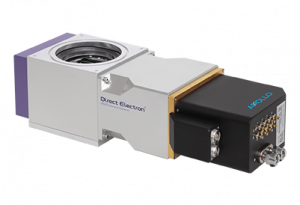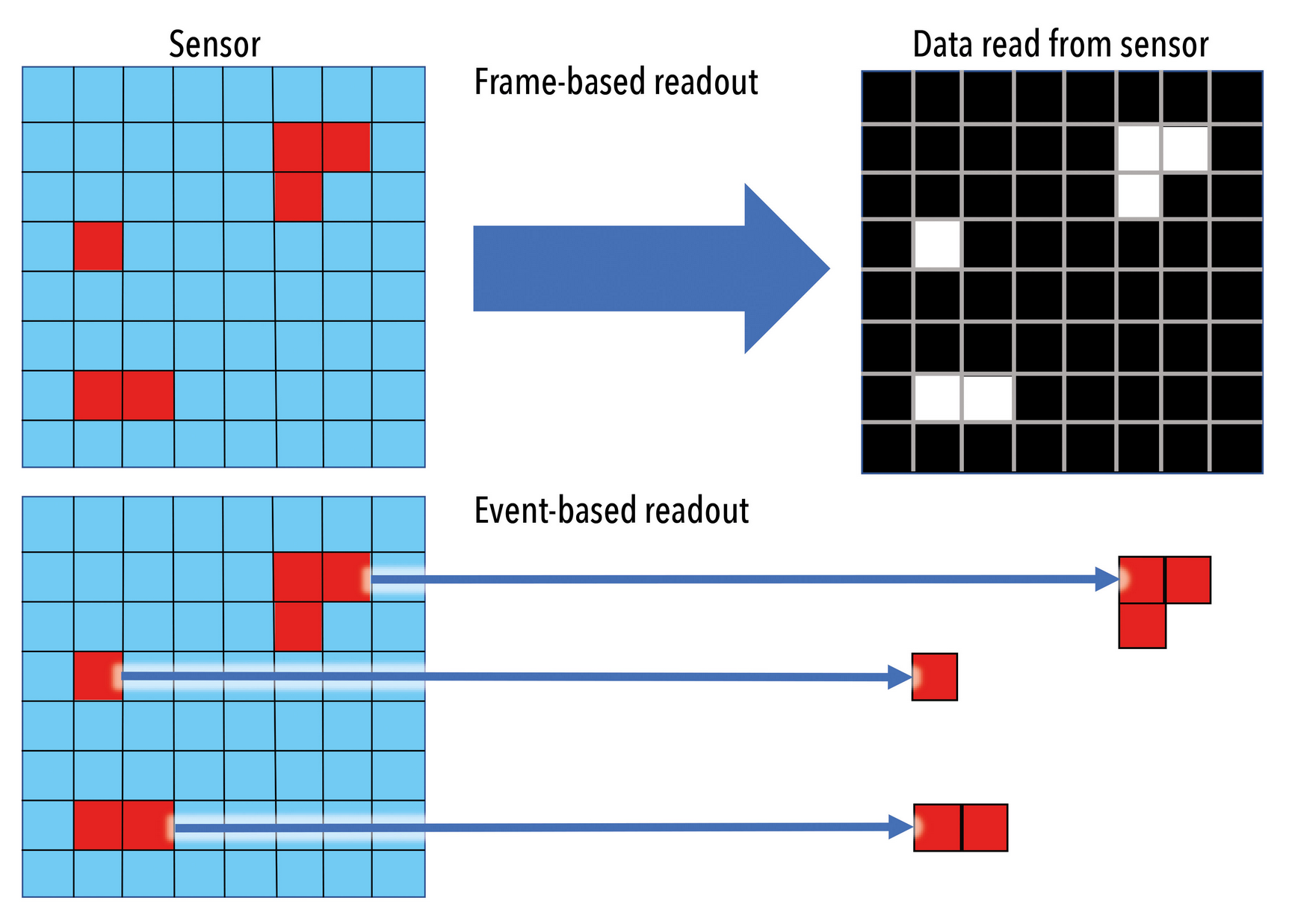
One of the most common questions we have to answer when we describe why our Apollo detector is so effective at electron counting is the question of what an event-based detector is.
Event-based detectors have a fascinating history, dating back to the late 1980s and early 1990s, and efforts to replicate the way that animals see the world with our eyes, optic nerves, and brains.
For certain applications, including electron counting, event-based detectors promise to be a far more data efficient and cost effective alternative to conventional frame-based detectors.
To properly explain the differences between event-based and frame-based detectors, some of our applications specialists recently took the opportunity to write an article for Microscopy and Analysis magazine.
You can find their article at the link below for a full answer to the question “What is an event-based detector”?
https://analyticalscience.wiley.com/do/10.1002/was.000700117